Talks and performances
Thursday, March 26
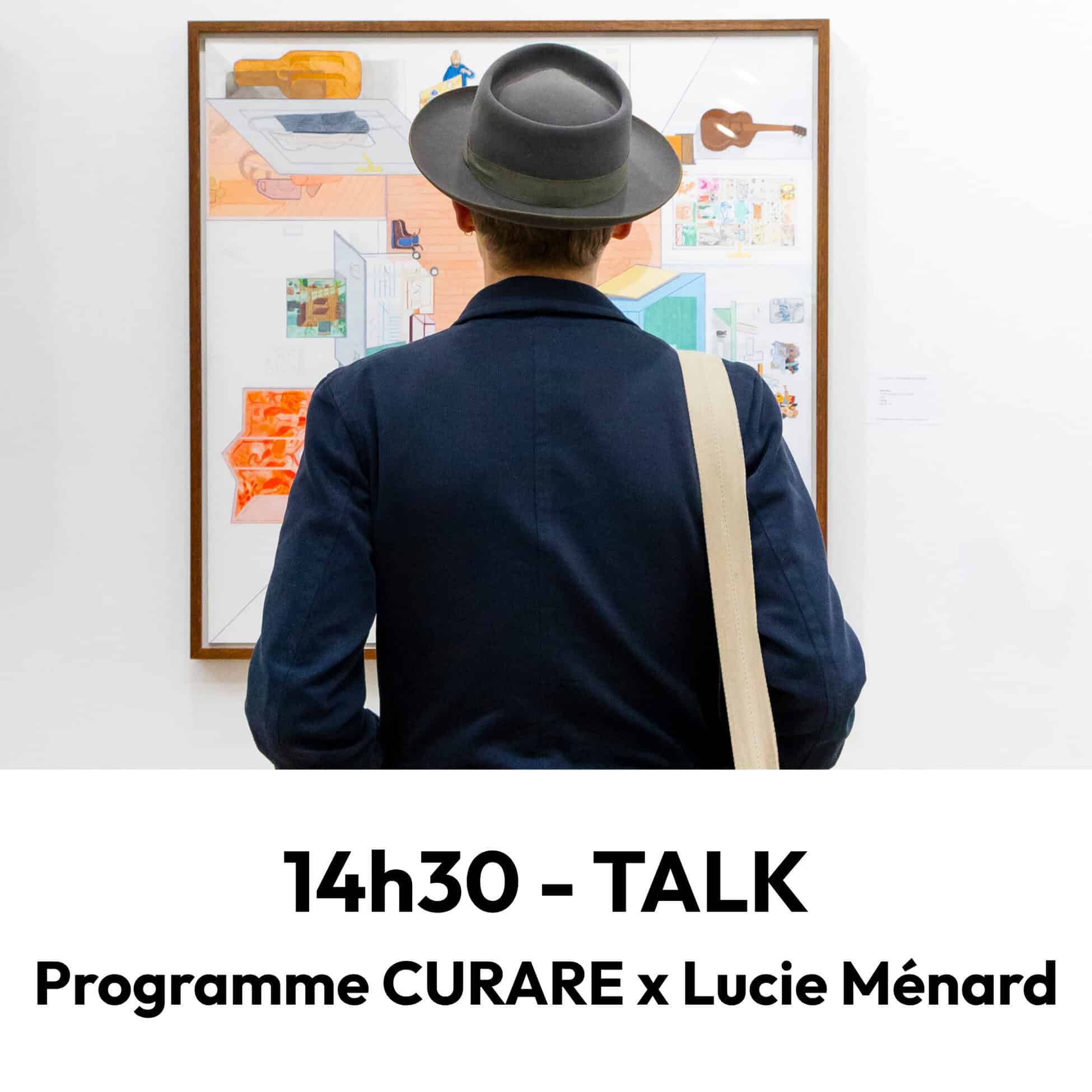
2:30 pm - CURARE program, process and digital sectors x C-E-A
Moderator: Joana P. R. Neves (show artistic director)
Invitées : Lucie Ménard (curatrice indépendante), Sarah Navasse et Guénaëlle de Carbonnières (artistes)
The drawings by artists Guénaëlle de Carbonnières and Sarah Navasse are built up stratum by stratum during a long process haunted by other techniques, such as stained glass or photography. They play on the simultaneous accumulation and appearance of images from collective memory. Presented by curator Lucie Ménard*, this theme will be the thread running through a three-way discussion of the work of the two artists she has selected. Presented in the PROCESS section, these bodies of work explore transparency and opacity, intersecting temporalities - a veritable archaeology of images.
* Lucie Ménard takes a look at the Process and Digital sector as part of the partnership renewed for the second year running with theAssociation française des commissaires d'exposition - C-E-A.

© Anna Püschel
Lucie Ménard

Guénaëlle de Carbonnières

Sarah Navasse
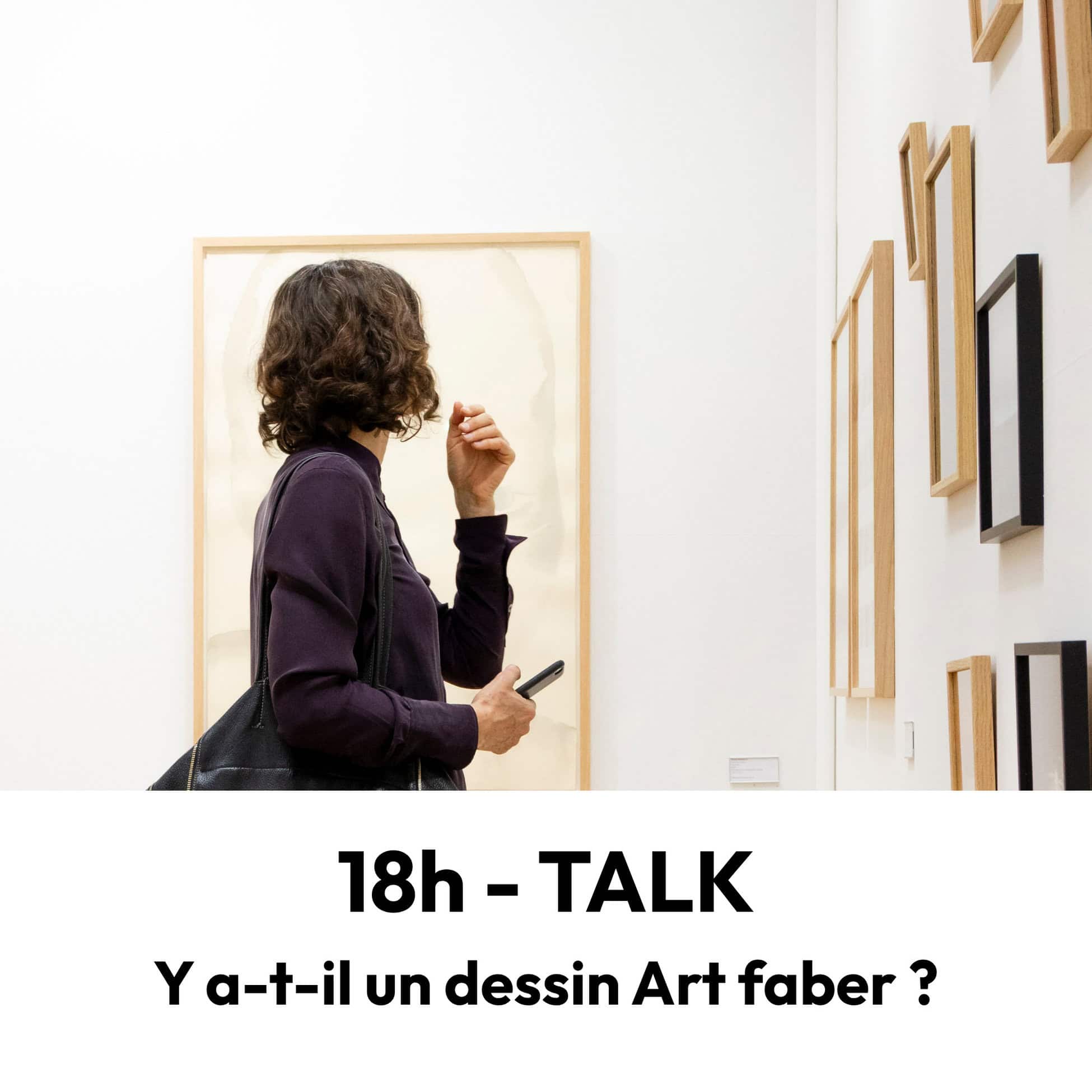
6pm - is there an art faber design?
Moderator: Alison Moss (deputy editor-in-chief of Quotidien de l'Art)
Guests: Grégory Desauvage(vice-president of the Collectif international de l'Art faber), Emmanuel Tibloux (director of the École nationale supérieure des arts décoratifs) and Laure Tixier (artist).
How do the worlds of economics interfere with creation? The Art Faber collective, part of the Laboratoire d'Arts, Économies et Droit at Panthéon-Assas University, has been examining this question since its creation in 2018. This round table will look back at this aspect of creation, its evolution and its broad geographical spectrum, by addressing the specificities of drawing, a discipline that was long at the service of crafts and industry, before being granted full artistic autonomy. Whether critical or laudatory, inspired by real or fantasized facts, "Faberian" works question our relationship with work, and sometimes even invite us to renew it: the Bauhaus's articulation of art, craft and industrial production in the 1920s and 1930s, for example, was a decisive lever for social transformation. This raises a broader question: how far can the interpenetration of these two worlds go?
Language: French

© Beryl Libault
Emmanuel Tibloux

© Aurélie Bambioni
Laure Tixier

Grégory Desauvage
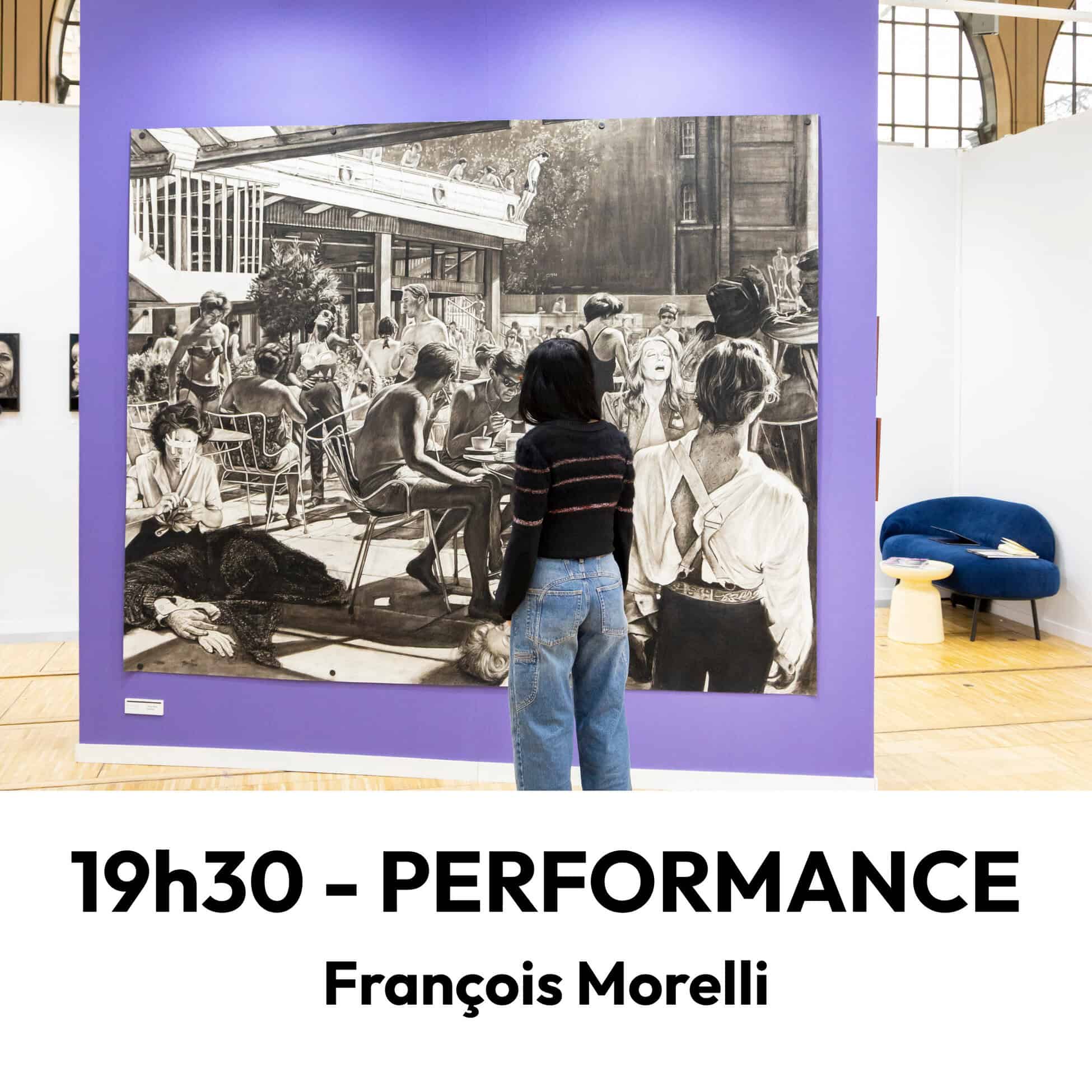
7:30 pm - François Morelli - À bout portant

A major figure in Canadian visual and performance art, François Morelli is recognized as one of the pioneers of relational art. His multidisciplinary practice, which encompasses drawing, printmaking, installation, performance, sculpture and painting, questions the status of the object and the conditions of perception of the work. His work explores notions of passage, circulation and transformation, where the work often becomes the trace of an action or intervention, inscribing in space and time the relationships between the artist, society, individuals and objects. François Morelli lives and works in Montreal.