Patrick Heide Contemporary Art
Patrick Heide Contemporary Art
11 Church Street
London NW8 8EE
The gallery
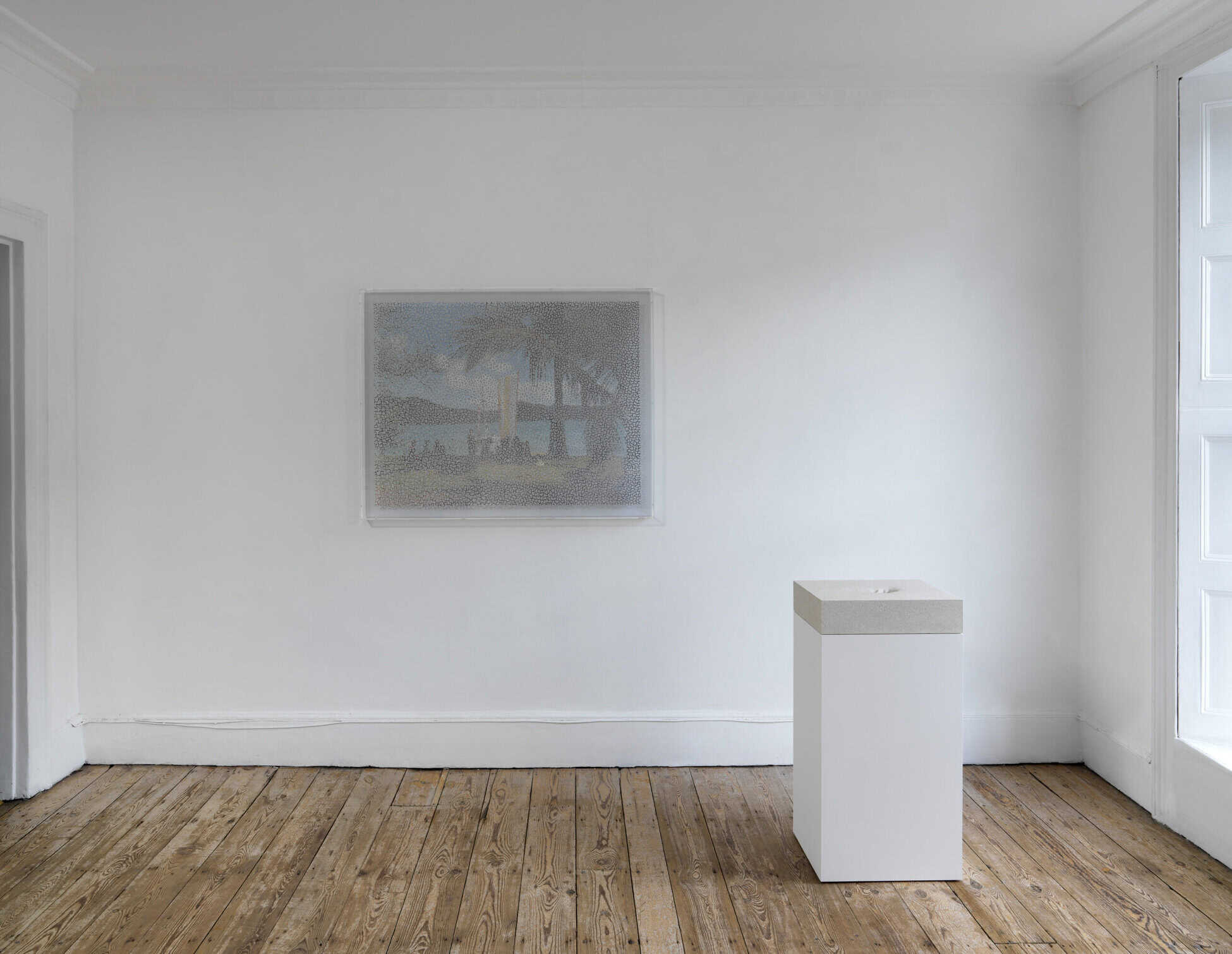
Patrick Heide Contemporary Art was established by Patrick Heide and sprung from a project space with pop-up exhibitions across Europe. In 2007 the gallery opened its doors in an eighteenth-century Georgian townhouse in Marylebone’s Church Street with an exhibition of now internationally established Korean artist Minjung Kim.
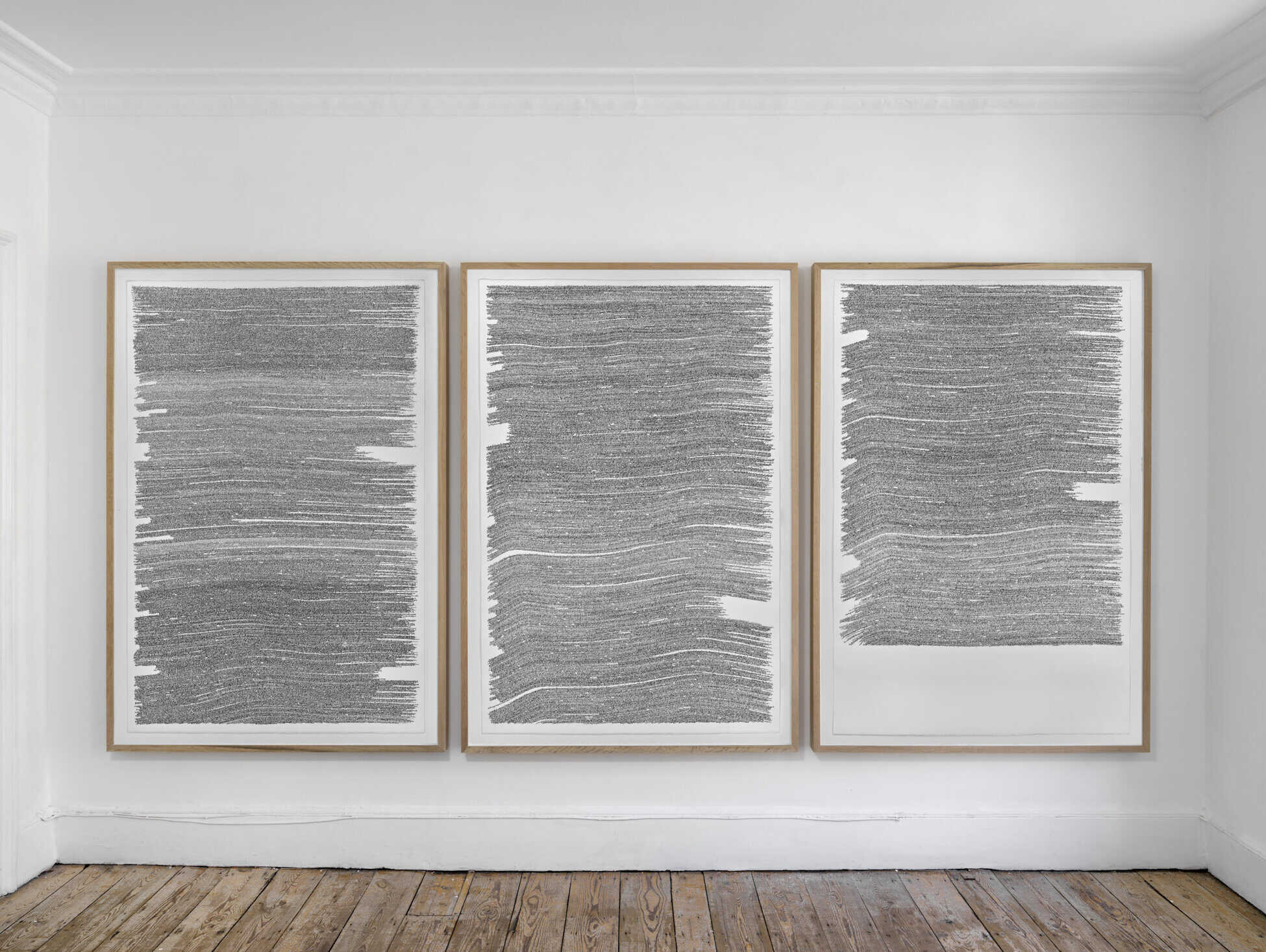
Since its inception, the gallery has been in particular dedicated to the medium of drawing and its various practices, spanning from the process-based approaches of David Connearn and Thomas Müller to the alienating photocopy drawings of Alex Hamilton and the large-scale watercolours of Barbara Nicholls.
Currently, the gallery represents and works with over 30 international artists whose practice, besides drawings, includes painting, sculpture, video, and installation. In 2014 the gallery introduced the Breeder platform to foster emerging artists.
In 2022 the gallery opened a new collaborative space in Brussels. Patrick Heide Contemporary Art has been participating in international art fairs, including TEFAF Maastricht, Drawing Now Paris, Untitled Miami, and Frieze Masters.
Featured artist
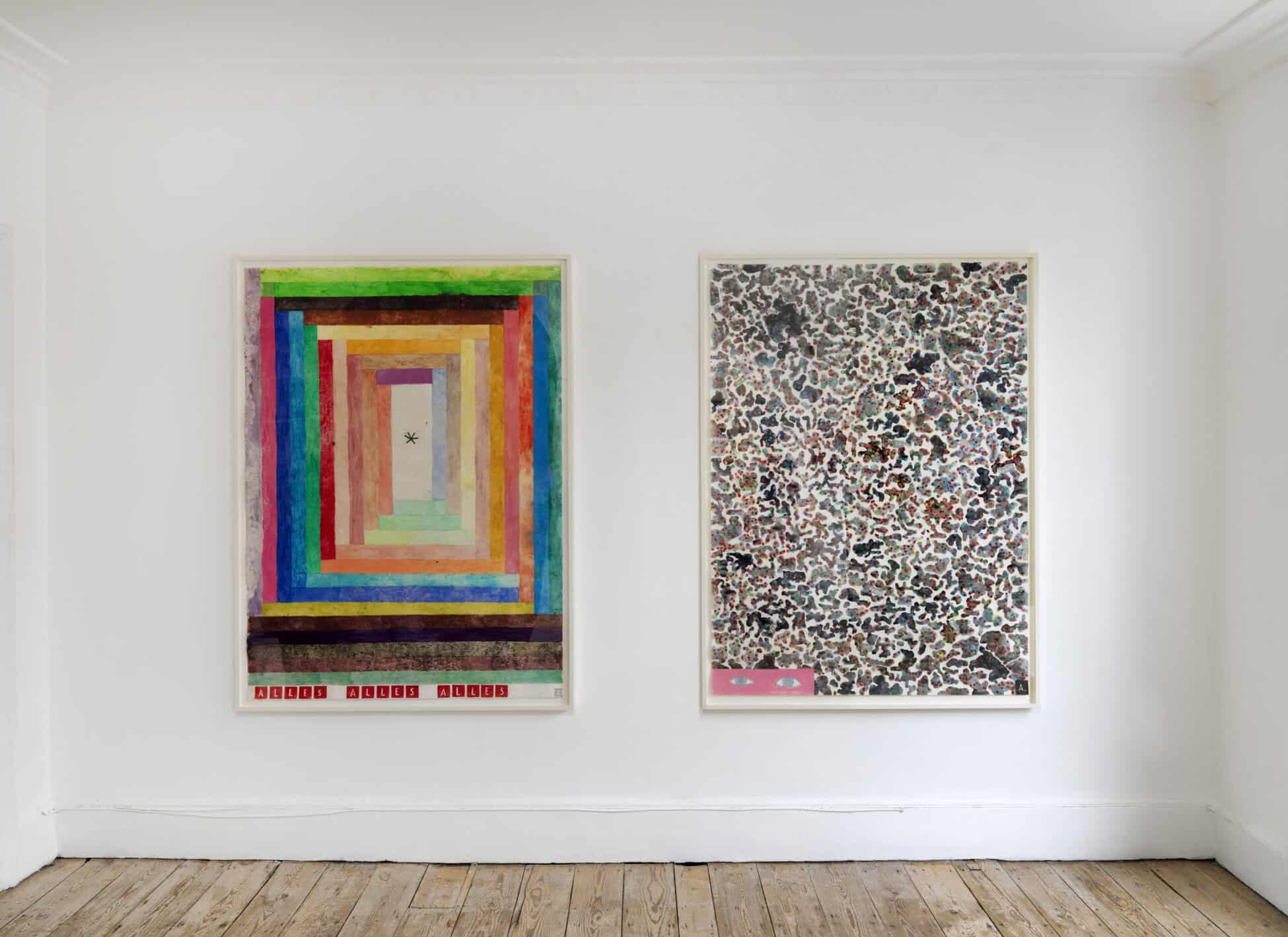
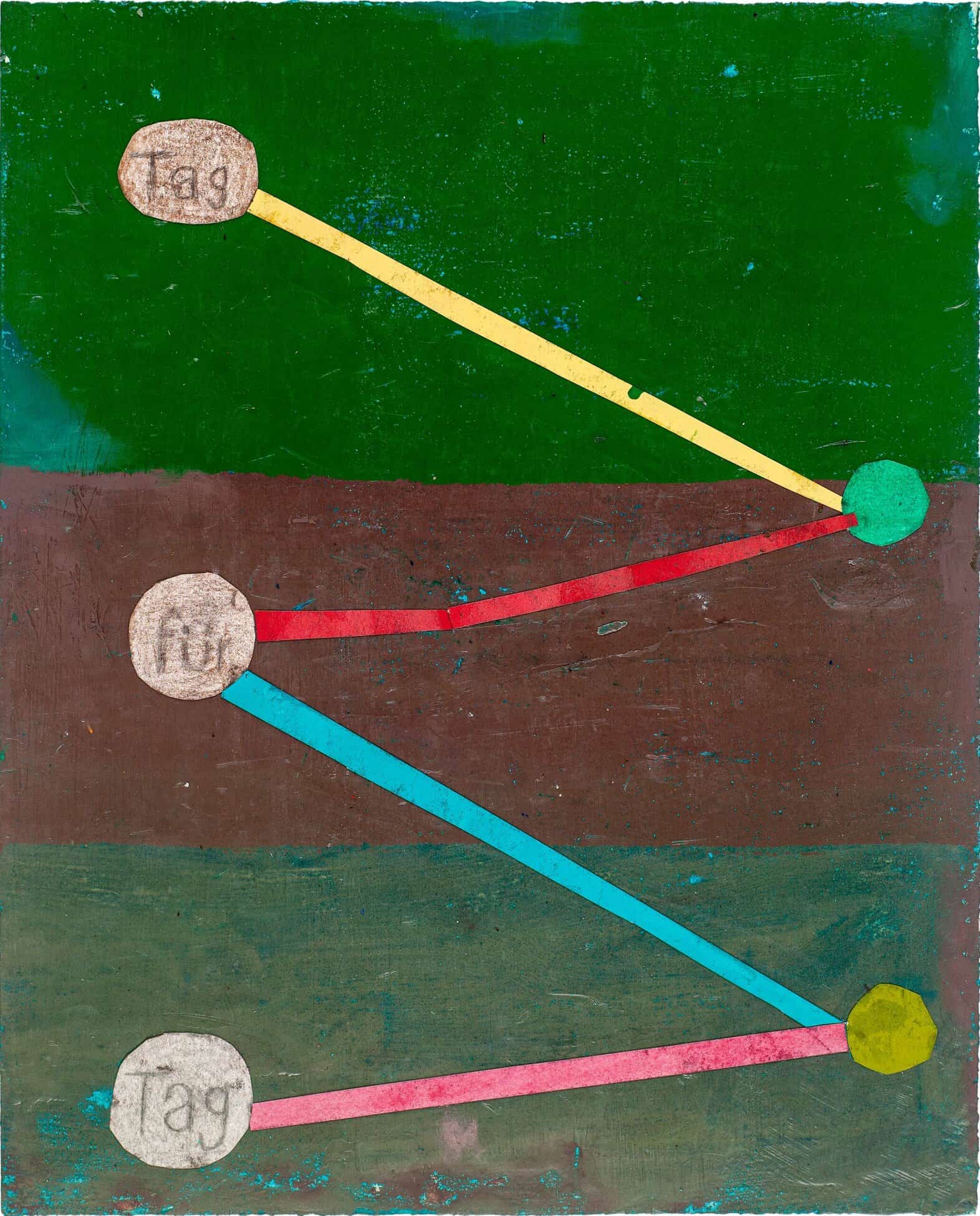
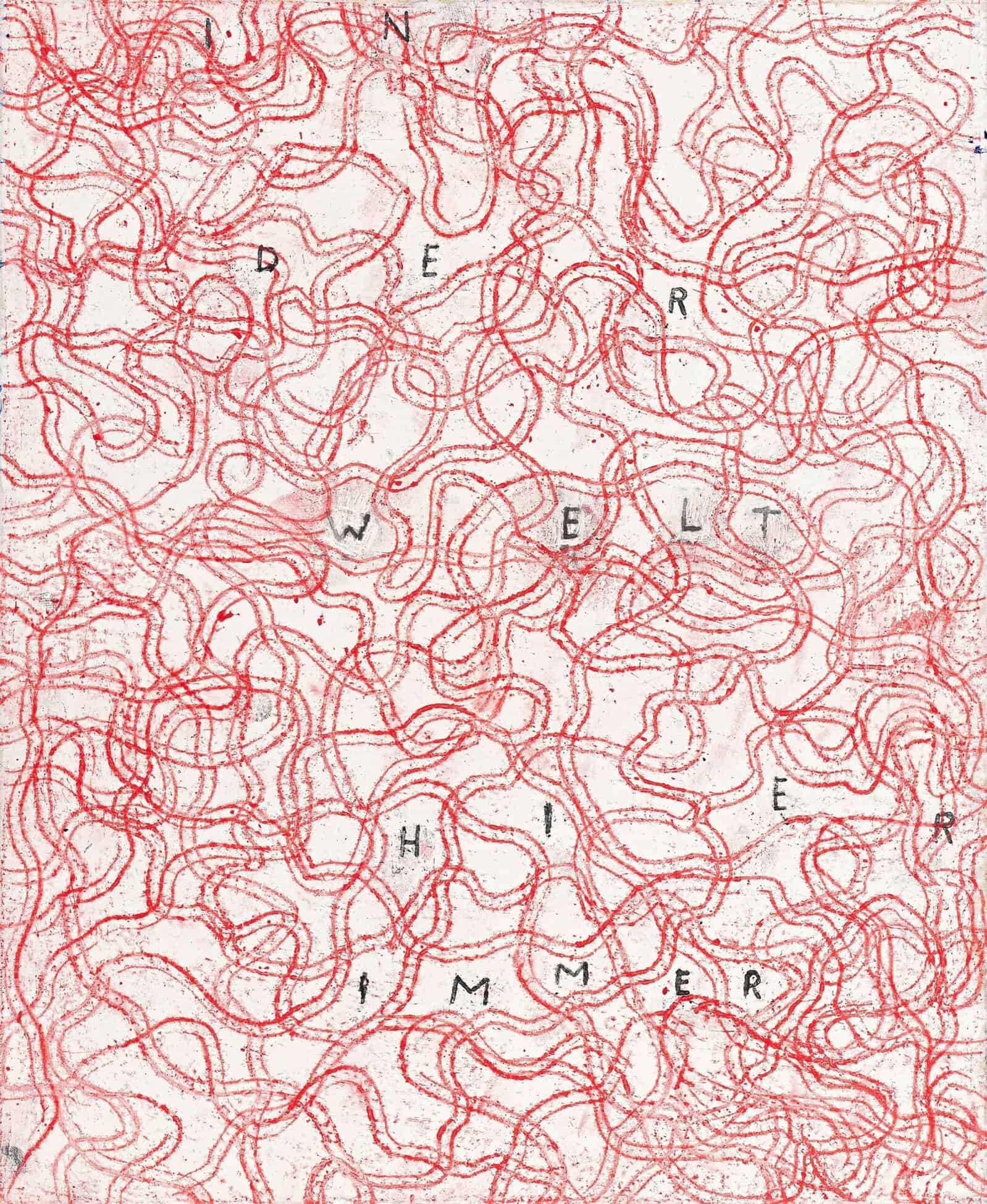
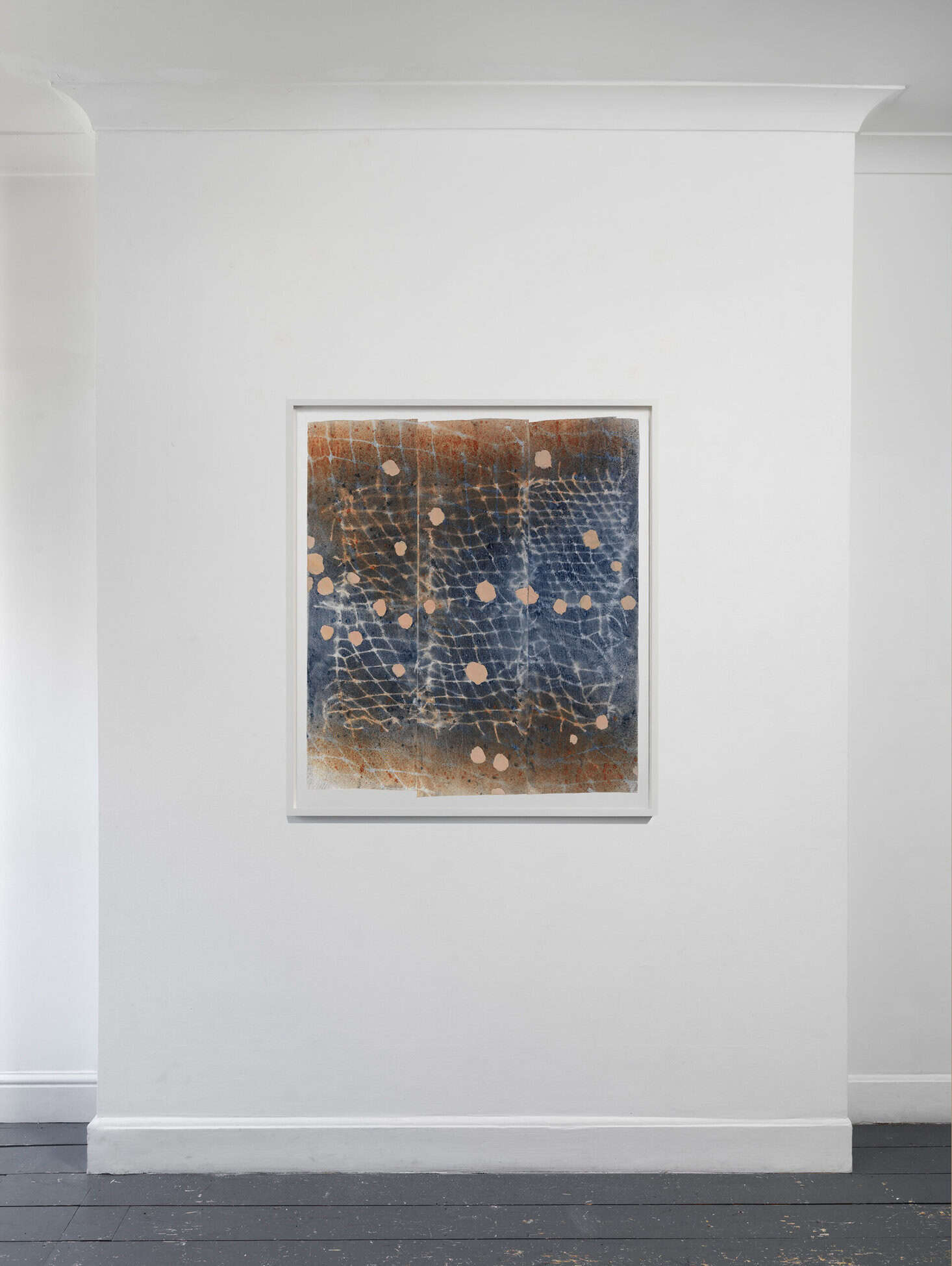
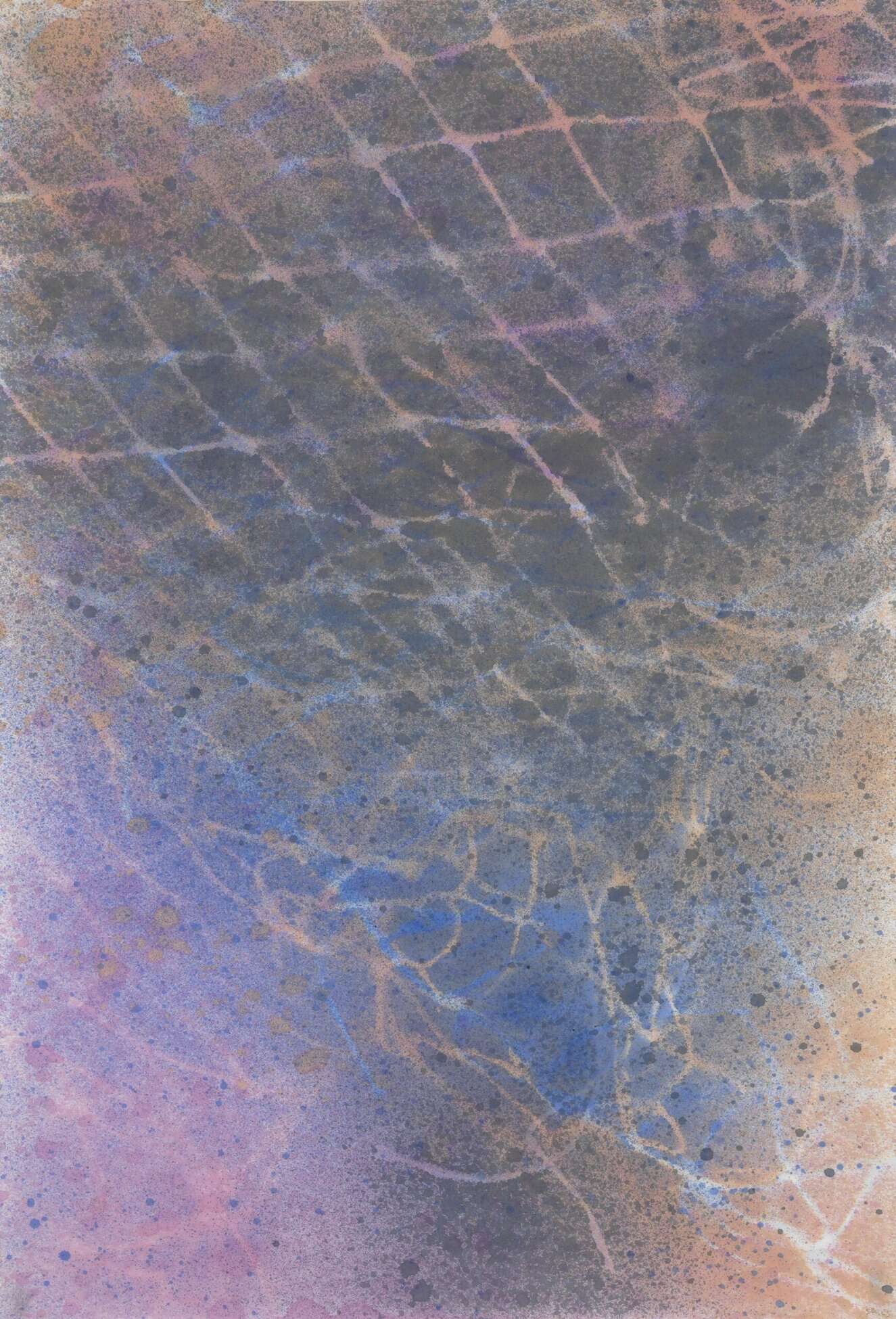
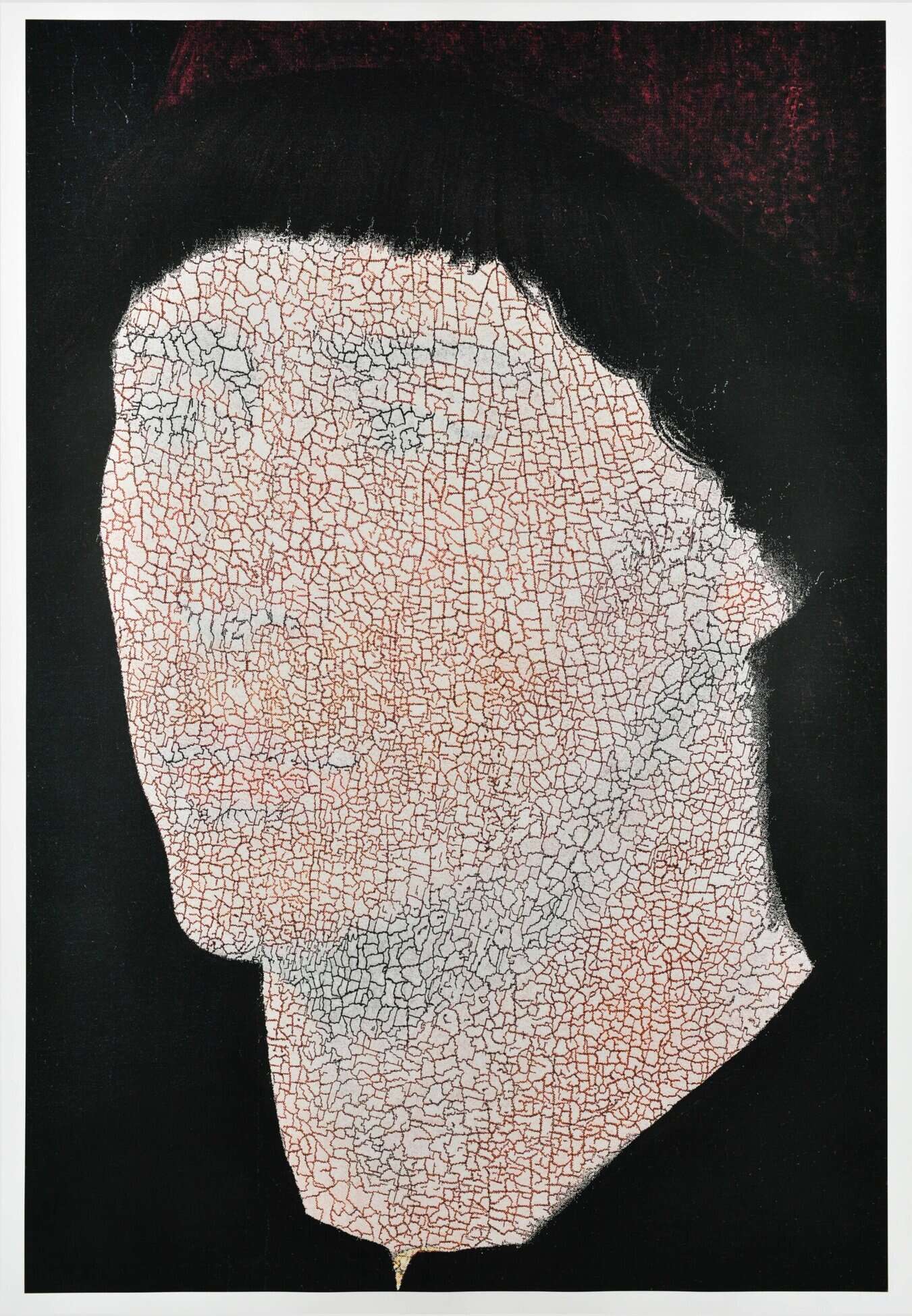
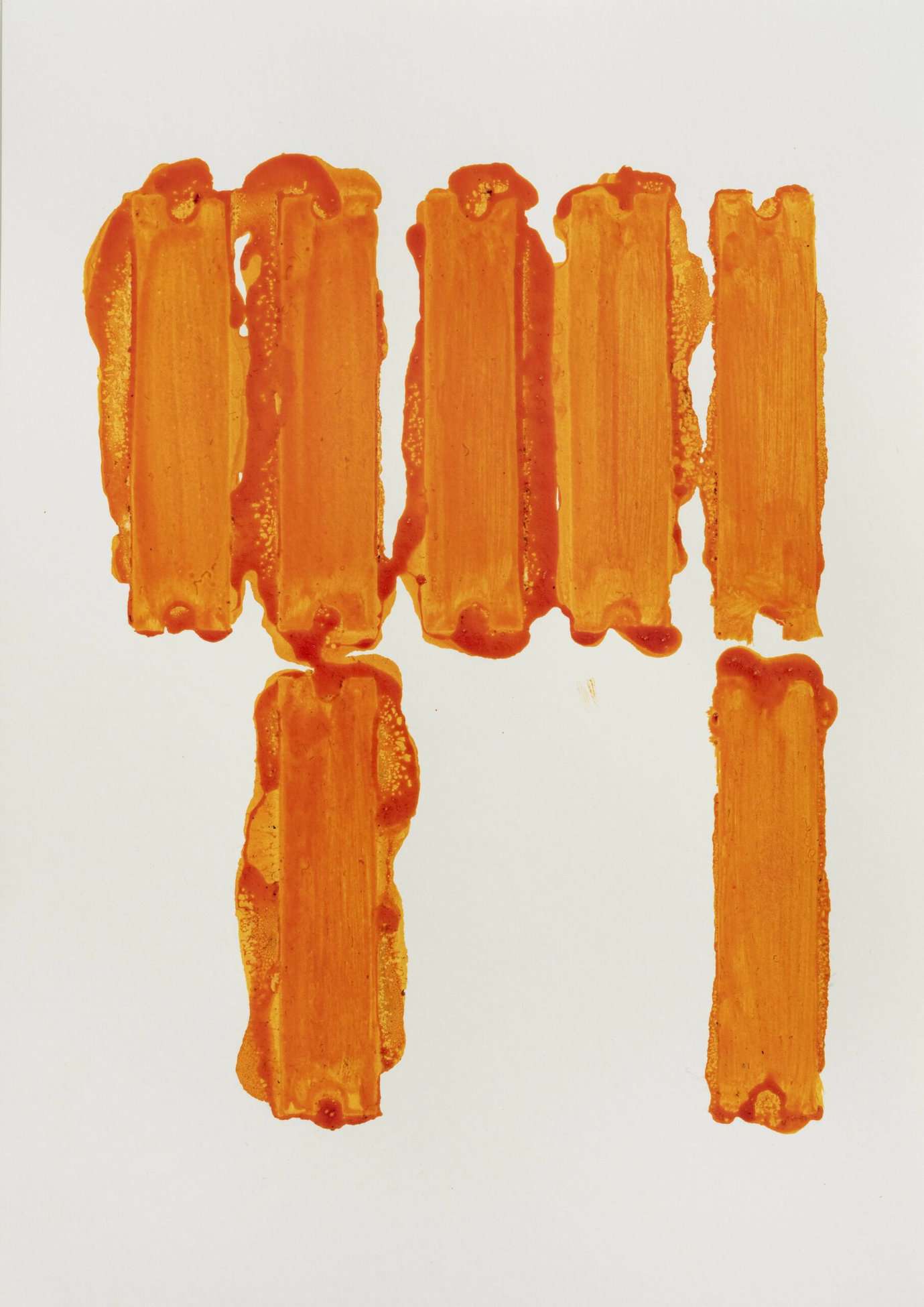
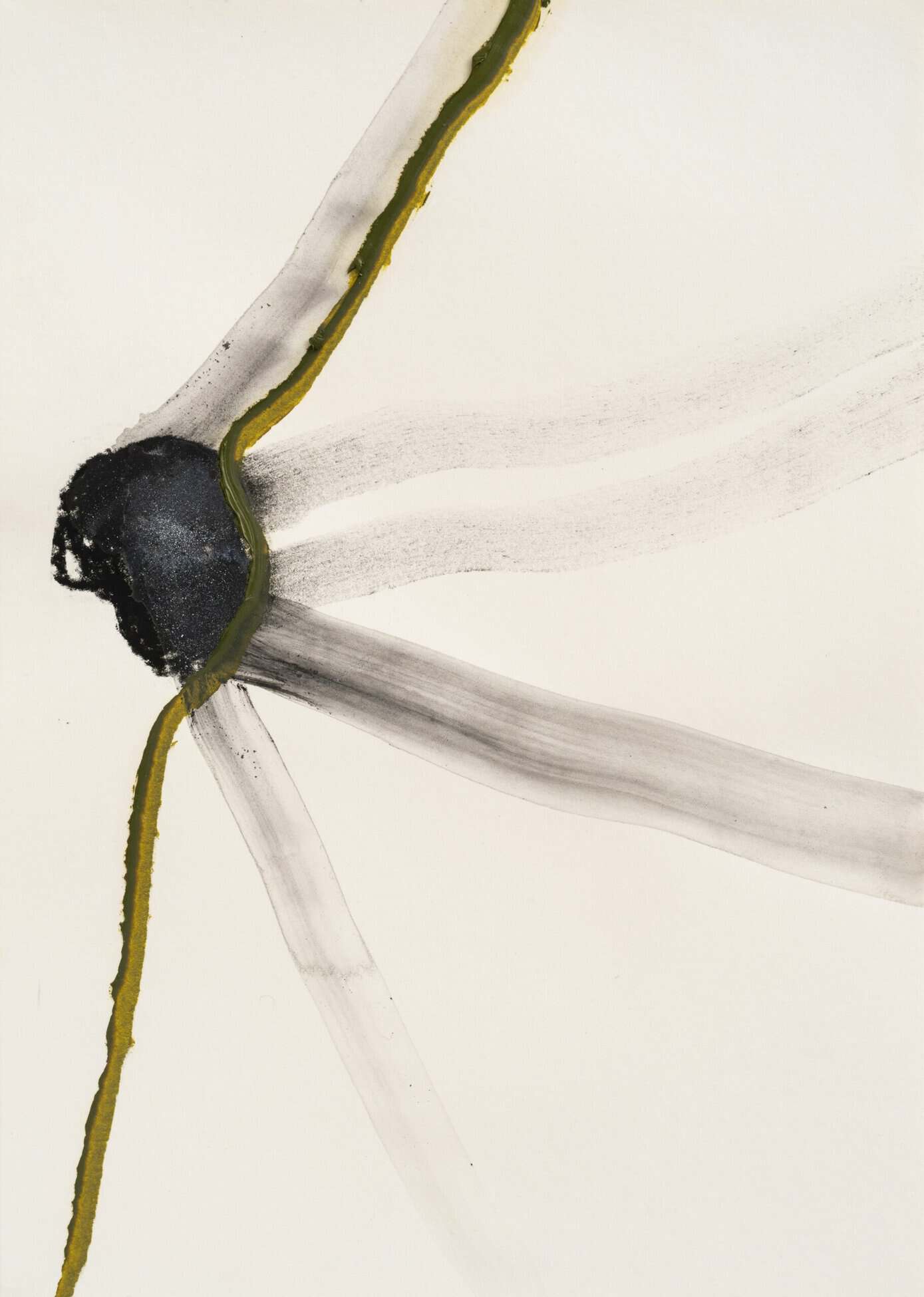
For Drawing Now Paris 2026, Patrick Heide Contemporary Art is delighted to presented the works of core gallery artists Martin Assig, Sophie Bouvier Ausländer, Jonathan Callan, Lavinia Harrington, Thomas Müller and Rebecca Salter.
The presentation will reflect the gallery’s longstanding commitment to contemporary works on paper, showcasing the diverse and experimental ways in which these artists engage with the medium. Works on paper have been central to the gallery's program since its inception in 2008. Each selected artist explores its possibilities with a distinct conceptual and formal approach, pushing the boundaries of the material in their own idiosyncratic ways.
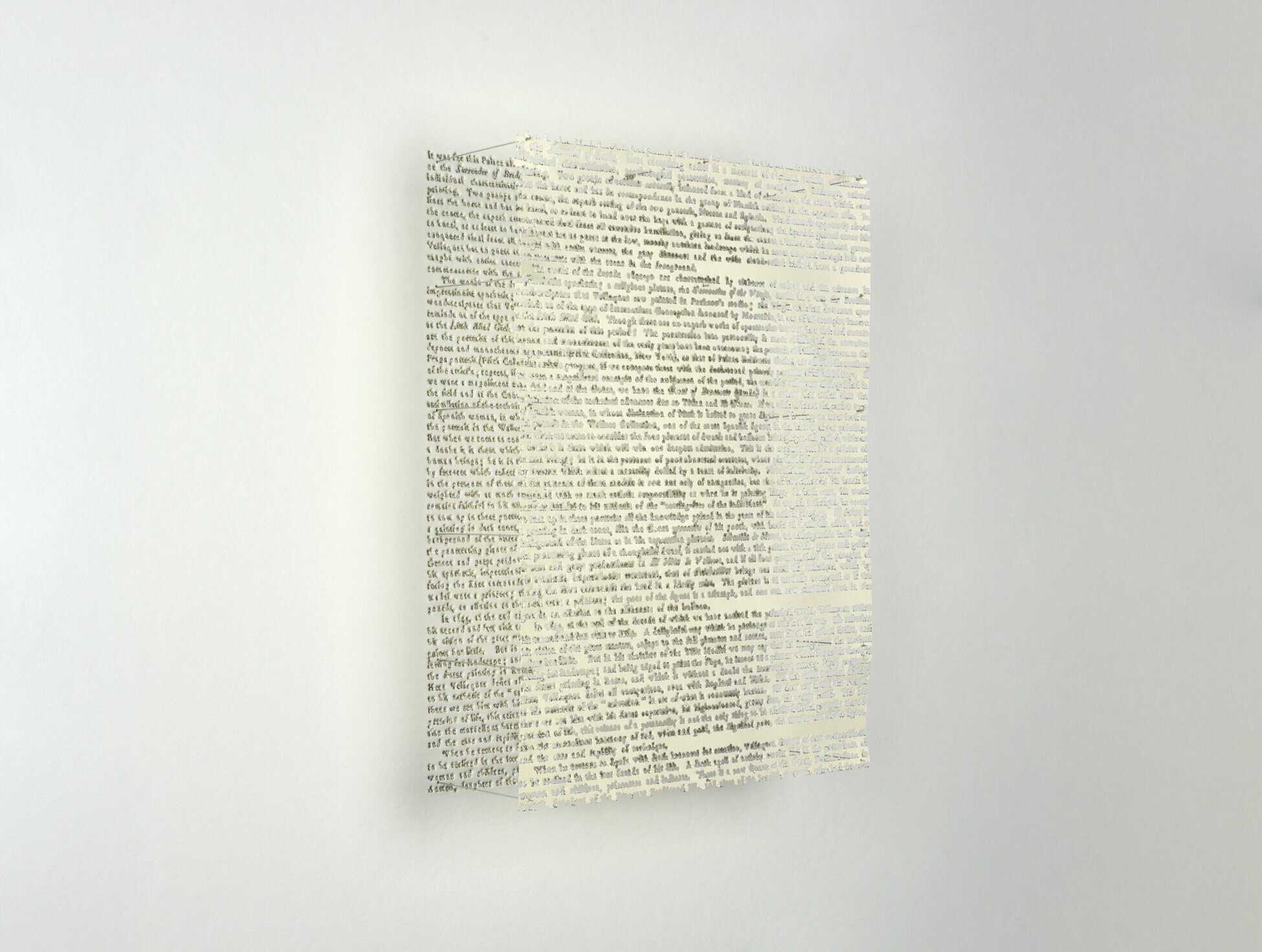
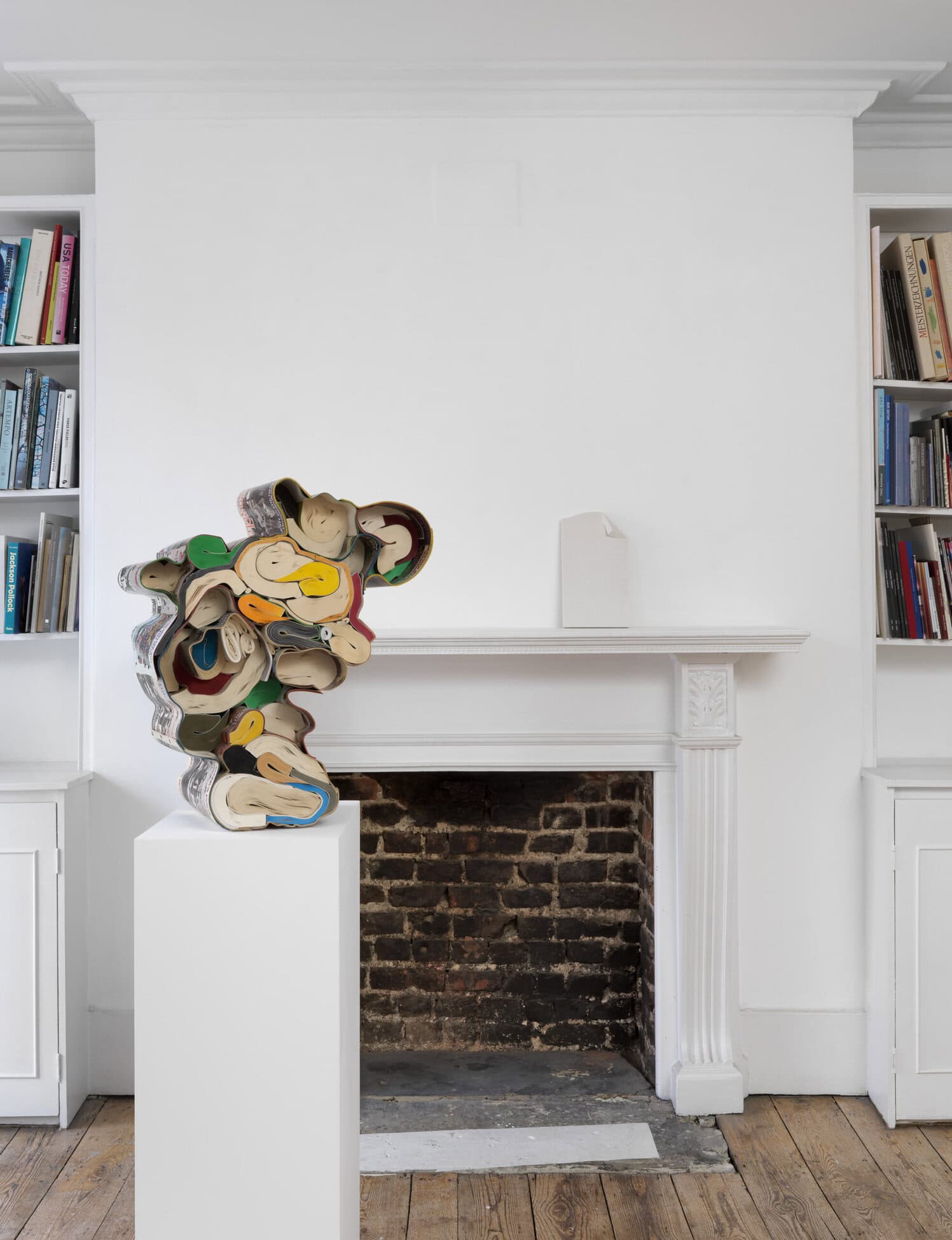
For our Focus Artist, we present the work Jonathan Callan, set across a diverse range of mediums, methods and materials, linked by a preoccupation with the limitations of language. Often working with texts, books, maps, and photographs, much of Callan's information is sourced and filtered from secondhand books. He regards his own culture as one that is predominately literary and has had an almost lifelong concern in trying to reconcile his own deep interest in materiality with that pervasive literary history.